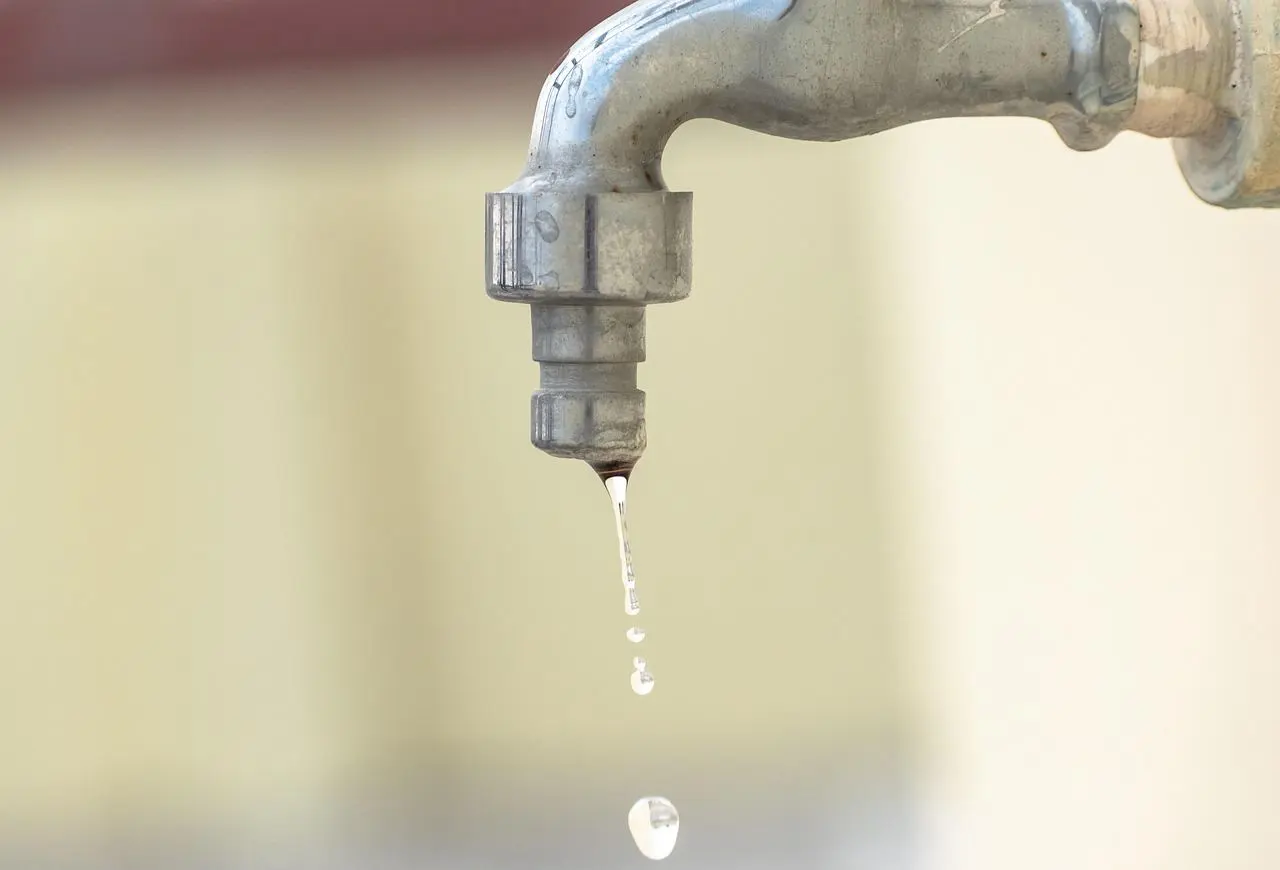
A dripping tap keeps you awake and quietly wastes water. To learn how to fix a dripping tap, start with the worn washer or O-ring inside, then try a new cartridge if the drip stays.
This guide belongs to the wider series on how to save water at home, where a small drip is one of the easiest wins.
| Item | Value |
|---|---|
| Tap dripping once per second | More than 3,000 gallons per year |
| Shower leaking at 10 drips per minute | More than 500 gallons per year |
| Average household leaks | More than 10,000 gallons per year |
| Homes with leaks wasting 90 gallons or more per day | 10 percent |
| Typical bill saving from fixing easy leaks | About 10 percent |
These figures come from the EPA WaterSense leak page (archived snapshot) and can change, so check the source before you rely on them.
Why a small drip adds up
A tap that drips once every second can waste more than 3,000 gallons of water a year, according to the EPA’s archived WaterSense page. A water utility gives a similar figure of about 3,000 gallons annually for a dripping faucet in its Fix a Leak Week post.
US sources call a tap a faucet. The two words mean the same thing here.
Drips are rarely a one-off problem. The EPA page says 10 percent of homes have leaks that waste 90 gallons or more per day, and that fixing easily corrected leaks can save about 10 percent on water bills. It also notes that fixture replacement parts usually do not require a major investment, which makes the repair cheap compared with the water lost.
Is the drip really coming from your tap?
Rule out a hidden leak elsewhere before you take anything apart. The EPA suggests reading your water meter before and after a two-hour period when no water is being used, and says a reading that is not exactly the same probably means a leak (EPA WaterSense).
Your bill can also give a hint. A water utility encourages customers to monitor water use on their bills and watch for unexplained changes, and to examine faucet gaskets and pipe fittings for water on the outside of the pipe, in its Fix a Leak Week post.
The usual order of repairs for a dripping tap
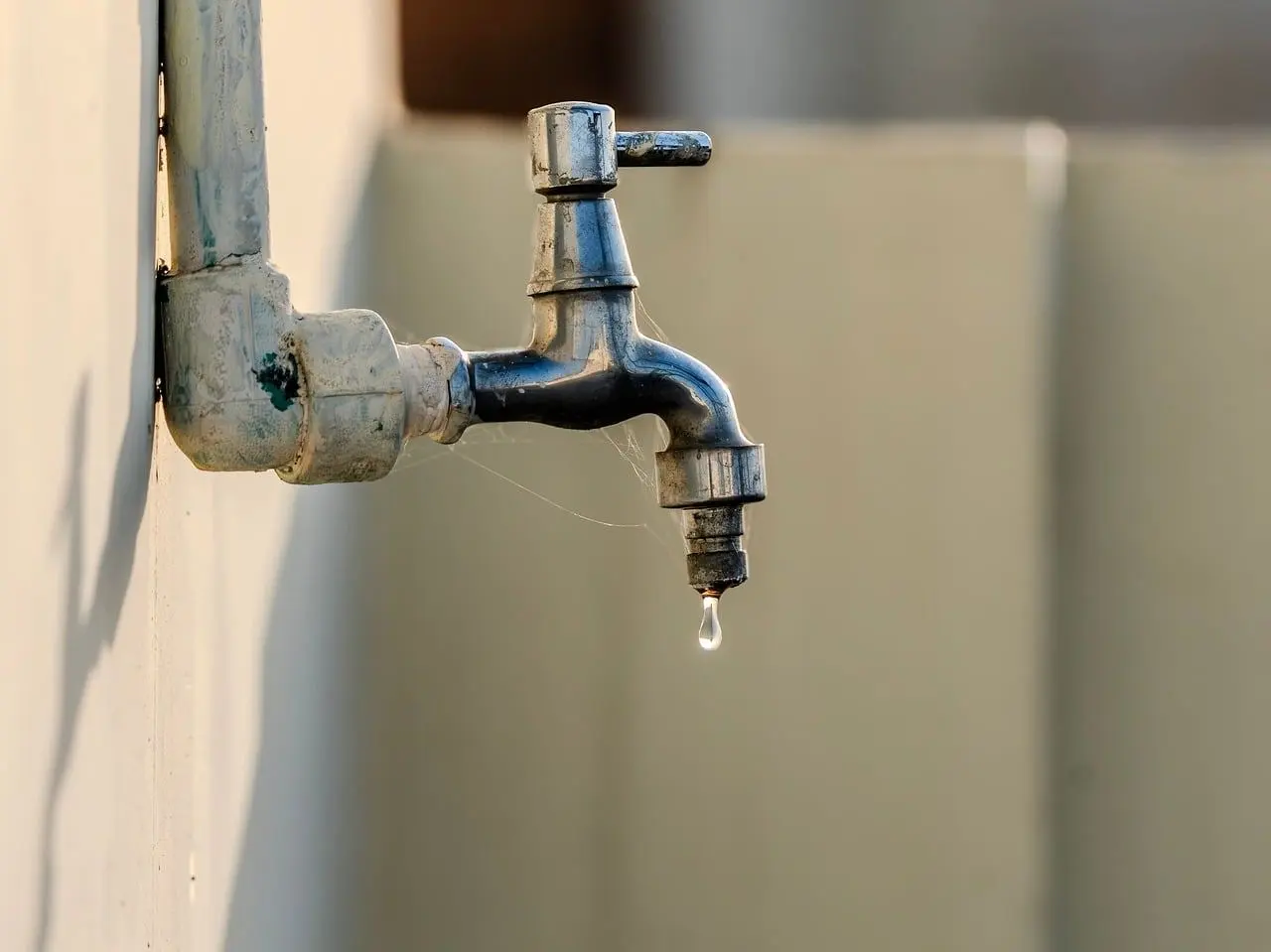
Inside a faucet handle sits a mechanism called a cartridge, which regulates the water as it flows out of the spout. Cartridges include washers or O-rings that seal against dripping, and the O-rings can wear out over time, as a Fix a Leak Week press release carried by CSRwire explains.
Work from the cheapest part to the most involved:
- Turn off the water supply to the tap, then take the handle apart to reach the parts inside.
- Check the washers and gaskets for wear and replace any that are worn.
- Replace any worn O-rings.
- If the drip continues, replace the whole cartridge using a faucet repair kit.
- On a single-handle bathroom sink, the ball valve assembly is the part you will likely need to replace instead.
The washer and gasket step follows the EPA’s advice to check them for wear. The cartridge, repair kit and ball valve steps come from the CSRwire press release.
Dripping showers and garden hoses
A showerhead leaking at 10 drips per minute wastes more than 500 gallons a year, says the EPA page. It adds that most leaky showerheads can be fixed with a tight connection made using pipe tape and a wrench.
If the showerhead is past saving, the same page says to look for one with the WaterSense label. The page on the low flow showerhead goes into the options.
A hose that leaks where it meets the spigot has a similar fix. The EPA page says to replace the nylon or rubber hose washer and make the connection tight with pipe tape and a wrench (EPA WaterSense).
When to replace, ask a landlord or call a plumber
Not every drip is a do-it-yourself job. These are the cases the sources point to:
- A tap that is beyond repair: when replacing a faucet, look for the WaterSense label (EPA WaterSense).
- A leaking pipe or in-ground irrigation system: contact a licensed plumber (CSRwire press release).
- A rented home: if you are unsure who is responsible, call your landlord (Lehigh County Authority).
While you are at it, look at the toilet too. The CSRwire release calls the flapper the most common failure point and says WaterSense recommends replacing it every 5 years (CSRwire). The page on how to check for a leaking toilet covers that test step by step.
Frequently asked questions
How much water can one dripping tap lose?
Show answer
At a steady drop every second, the EPA’s archived page puts the loss above 3,000 gallons across a year. Your own total depends on how fast yours drips (EPA WaterSense).
Will a new washer always stop the drip?
Show answer
Not always. When a fresh washer makes no difference, the press release suggests fitting a new cartridge from a faucet repair kit (CSRwire).
Do I need a plumber for a leaking tap?
Show answer
The EPA page describes dripping faucets as easily correctable, so a repair is often a home job. A licensed plumber is the suggested route for leaking pipes (EPA WaterSense, CSRwire).
What if I rent my home?
Show answer
Tell the landlord rather than taking the tap apart yourself. A water utility advises renters who are unsure about responsibility for leaks to do exactly that (Lehigh County Authority).