Wondering how to save water at home without a big renovation? Fix leaks first, then upgrade fixtures and appliances, and tweak a few daily habits. Those three steps do most of the work.
| Item | Value |
|---|---|
| Average US family of four, daily use | 400 gallons per day |
| Share of that water used indoors | approximately 70 percent |
| Standard toilet | 1.6 gallons per flush |
| WaterSense labeled toilet | 1.28 gallons per flush or less |
| Standard showerhead | 2.5 gallons per minute |
| Running toilet, waste | about 200 gallons every day |
These figures come from an archived EPA WaterSense page and describe average US households. They can change, so check the source before you rely on them.
Start with leaks: the quickest water saving
A leak wastes water around the clock, which makes it the best place to begin. Compare your monthly water bill with the same month of the previous year, because a big jump may point to a hidden leak, as EPA WaterSense home maintenance advice explains. If the lines on your invoice look confusing, our guide on how to read a water bill walks through them.
For homes with no outdoor water use in the winter, EPA WaterSense says a family of four likely has a serious leak if its use exceeds 12,000 gallons per month during the winter. The figure comes from the same EPA home maintenance page. Treat it as a rough warning level, not a precise test.
A meter test is more direct. The EPA home maintenance page describes it in three steps:
- Find your water meter, which is usually underground near the curb in front of your home, though it could be inside, for example in the basement.
- Remove the lid and read the meter during a period when no water is being used.
- Read it again two hours later. If the reading has changed, you probably have a leak.
Not sure how to take the reading? Our walkthrough on how to read a water meter covers the dials and units. Once the meter says water is moving, how to find a water leak in your house shows how to trace it room by room.
You can also add a leak detection or flow monitoring system. According to the EPA page, these can alert you to irregular water use, detect unintended moisture, or even activate a shut-off valve to prevent further water loss.
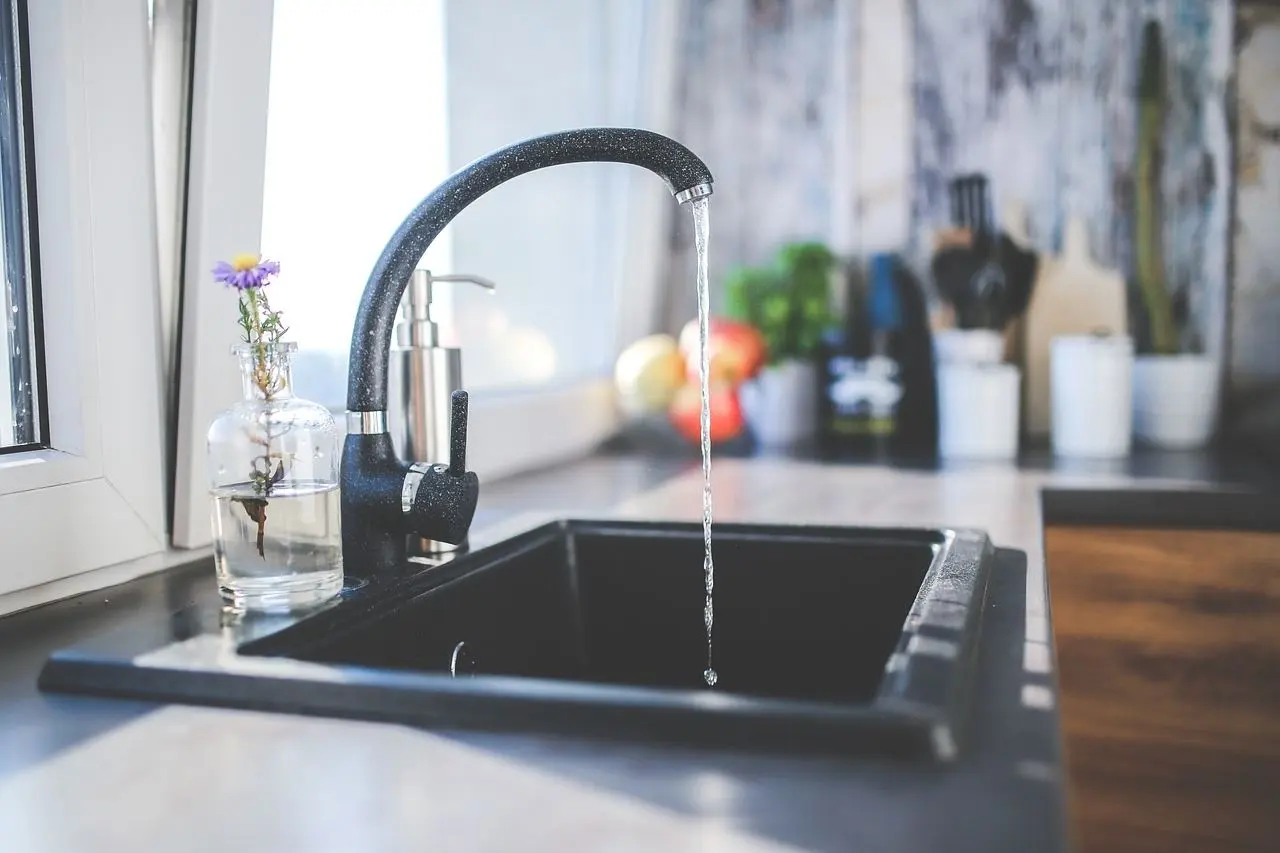
Fixtures: toilets, showerheads and taps
Toilets
Toilets are a good first upgrade. About 70 percent of a typical US household’s water is used indoors, and a toilet alone can use 27 percent, according to archived EPA WaterSense figures.
Standard toilets use 1.6 gallons per flush, while older toilets can use as much as 3.5 to 7 gallons per flush. A WaterSense labeled toilet uses 1.28 gallons per flush or less and can cut a family’s toilet water by 20 to 60 percent, per the same archived page.
A silent leak in a toilet is easy to miss. The archived page says a running toilet can waste about 200 gallons every day, as noted by EPA WaterSense. Our guide on how to check for a leaking toilet gives the full routine.
The quick version is a dye test: put a couple of drops of food coloring or a dye tablet into the tank, wait 10 minutes, and look for color in the bowl. EPA WaterSense says that usually points to a worn rubber flapper, and flappers should be replaced at least once every five years. Flush afterwards to avoid staining the inside of the tank.
If your home has a dual-flush toilet, make sure everyone knows when to use the full flush and when the reduced flush is enough.
Showerheads
Standard showerheads use 2.5 gallons per minute and also need energy to heat the water. Replacing just one with a WaterSense labeled model can save the average family 2,900 gallons of water and more than $70 in utility bills, according to EPA WaterSense. Our guide to a low flow showerhead covers what to look for.
Whatever showerhead you own, keep it tight on the pipe and free of scale. The EPA home maintenance page suggests a wrench and pipe tape for drips or stray sprays, and white vinegar or a cleaning product to remove scale buildup.
Taps and baths
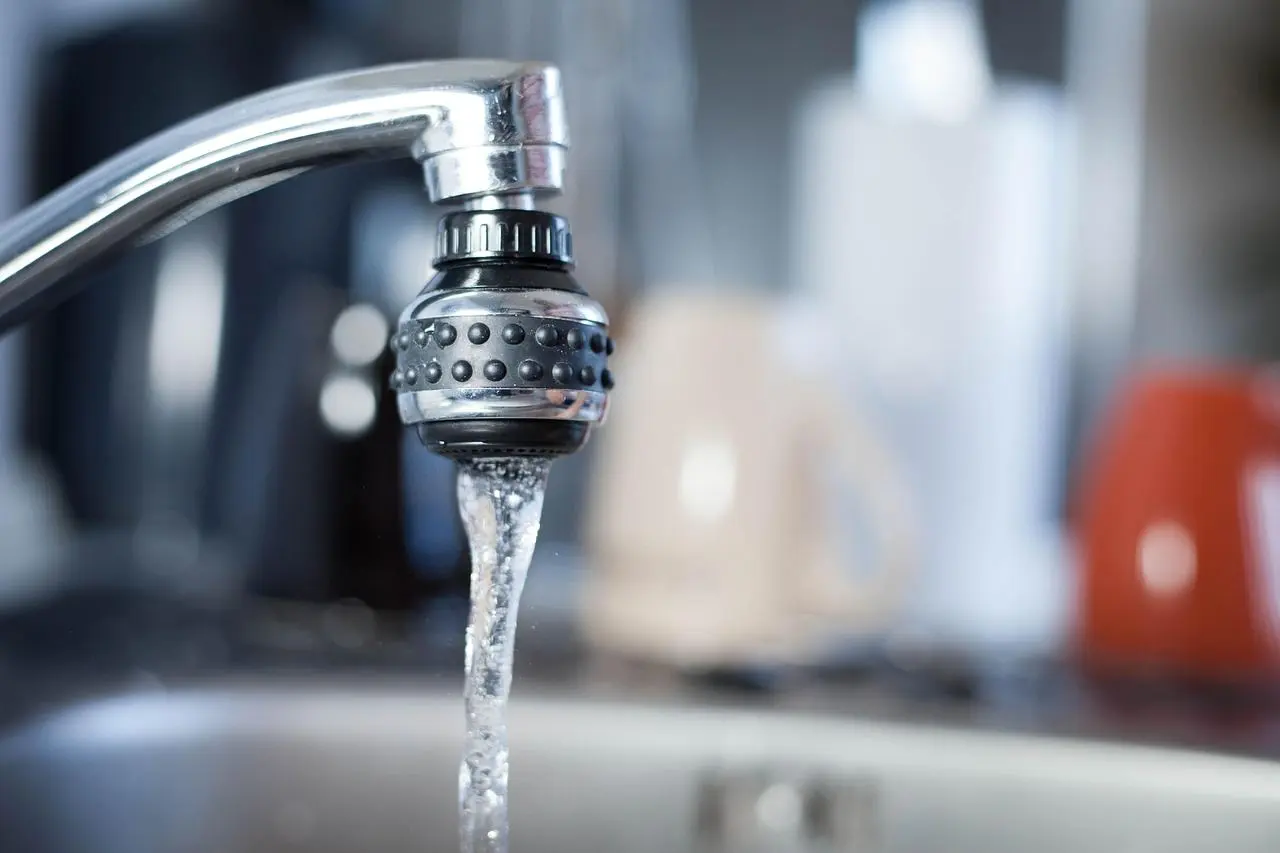
A bathroom faucet generally runs at 2 gallons per minute, so a running tap adds up fast. Turning it off while brushing your teeth or shaving can save a person more than 200 gallons of water per month, per EPA WaterSense. Fitting faucet aerators that carry the WaterSense label saves more.
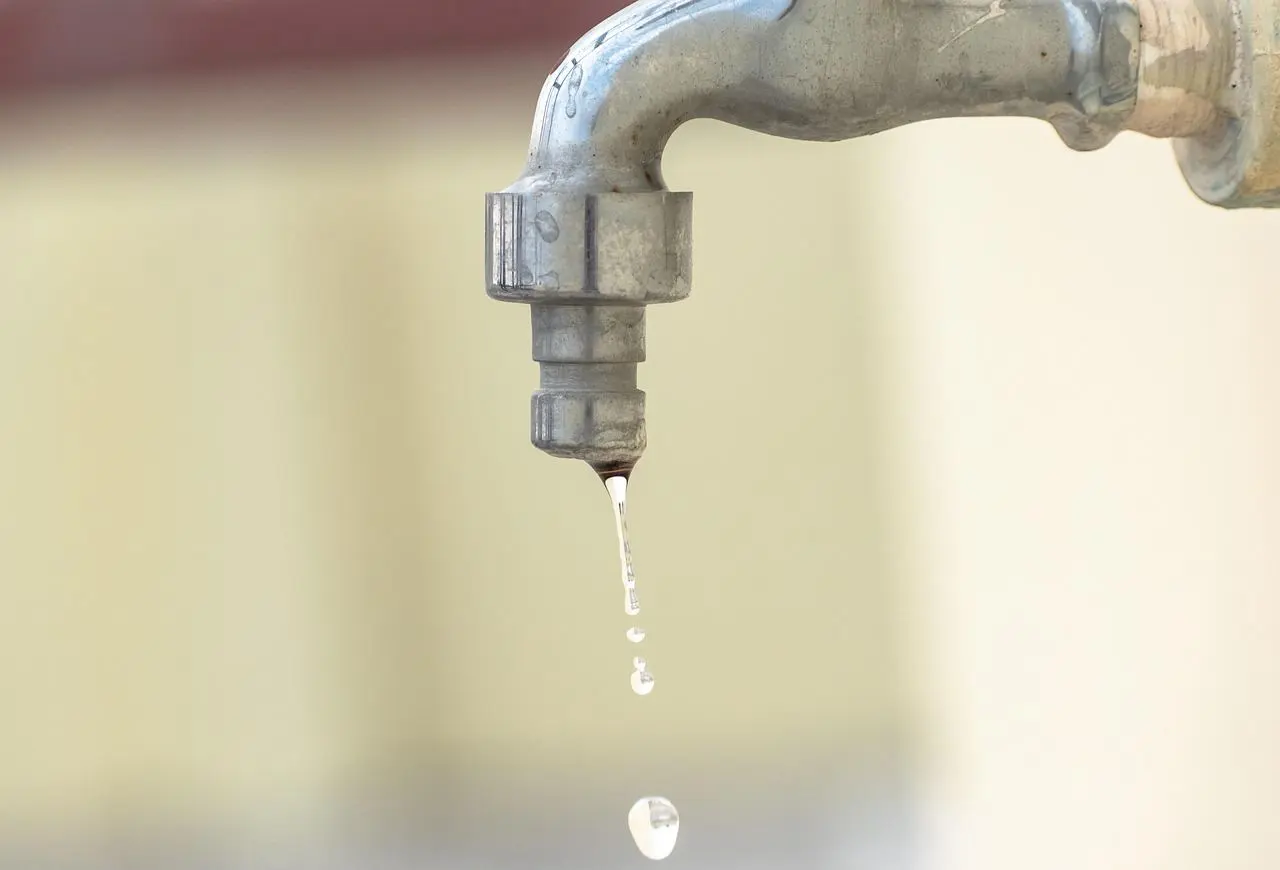
A dripping tap is a small leak you can usually stop yourself, and how to fix a dripping tap explains the usual repair.
Showers use less water than baths, as long as you keep an eye on how long you have been lathering up, says EPA WaterSense. If you do use a tub, close the drain before turning on the water and fill it only half full, as the archived residential tips suggest.
Kitchen and laundry: habits and appliances
Washing dishes with an open tap can use up to 20 gallons of water. Filling the sink or a bowl and closing the tap saves 10 of those gallons, according to EPA WaterSense. Not pre-rinsing before loading a dishwasher could save up to 10 gallons per load, per the same page.
On machine versus hand washing, EPA WaterSense says dishwashers typically use less water, provided you run them full, as stated on its Start Saving page. A closer comparison appears in our piece on dishwasher vs washing dishes by hand water use.
A few small kitchen habits from EPA WaterSense add up without costing anything:
- Keep a pitcher of water in the refrigerator instead of running the faucet until it turns cool.
- Thaw frozen food in the refrigerator overnight rather than under a running hot tap.
- Scrape plates rather than rinsing them before they go in the dishwasher.
- Add food waste to a compost pile instead of using the garbage disposal.
In the laundry room, traditional washing machines use between 27 and 54 gallons of water per load. Newer water- and energy-conserving models, front-loading or top-loading non-agitator types, use less than 27 gallons per load, according to archived EPA figures. Our guide to a water efficient washing machine explains how to compare models.
EPA also says ENERGY STAR certified clothes washers use about 30 percent less water than standard models, per its Start Saving page. Whichever machine you own, wash full loads or use the water level or load size setting that matches what you are washing.
Water pressure, hot water and energy
Fixtures work best when your home’s incoming water pressure is between 45 and 60 pounds per square inch (psi), according to the EPA home maintenance page. You can check it with a pressure test gauge on a hose bibb. Pressure much lower than 45 psi may mean a leak, while pressure much higher may call for a professional to adjust or install a pressure-regulating valve to hold 60 psi.
Your water heater also affects how much water and energy you use. The same EPA page lists these tips, and suggests a professional service the heater at least once a year:
- Inspect it regularly for leaks, aged gaskets, loose connections and corrosion.
- Flush it once a year to reduce sediment buildup, which can decrease efficiency.
- Check the temperature and pressure valve at least once a year.
- Insulate the tank and connecting pipes to reduce heat loss.
- Consider a demand recirculating system, which returns cooled water to the heater until the desired temperature is reached.
Heating water is a major energy cost. EPA WaterSense says homes with electric water heaters spend one-quarter of their electric bill just to heat water, so using less hot water cuts both water and energy costs.
Outdoor use: gardens, pools and hoses
Of the estimated 29 billion gallons of water used daily by US households, nearly 9 billion gallons, or 30 percent, goes to outdoor use. In hot summer months or dry climates, a household’s outdoor share can be as high as 70 percent, according to EPA WaterSense. That makes the yard a big target.
The archived EPA residential tips offer a practical checklist:
- Water the lawn or garden in the coolest part of the day; early morning is best.
- Use mulch around shrubs and garden plants to reduce evaporation and cut down on weeds.
- Use soaker hoses or trickle irrigation for trees and shrubs.
- Sweep driveways, sidewalks and steps rather than hosing them off.
- Wash the car with water from a bucket, and fit a hose with an automatic shut-off nozzle.
- Use a pool cover to reduce evaporation when the pool is not in use.
Our water wise gardening guide goes deeper on plant choice and watering. Another option is collecting roof runoff, and our rainwater harvesting guide covers the basics. Local rules on collection vary, so check them with your council or water utility, and ask your local health authority before using stored water for anything beyond the garden.
During a drought, outdoor watering restrictions may apply, so follow your local rules first. The archived EPA page says that when outdoor use of city or well water is restricted, water from an air conditioning condenser, dehumidifier, bath or sink can go on plants. It adds that you should not use water containing bleach, automatic-dishwashing detergent or fabric softener (EPA WaterSense).
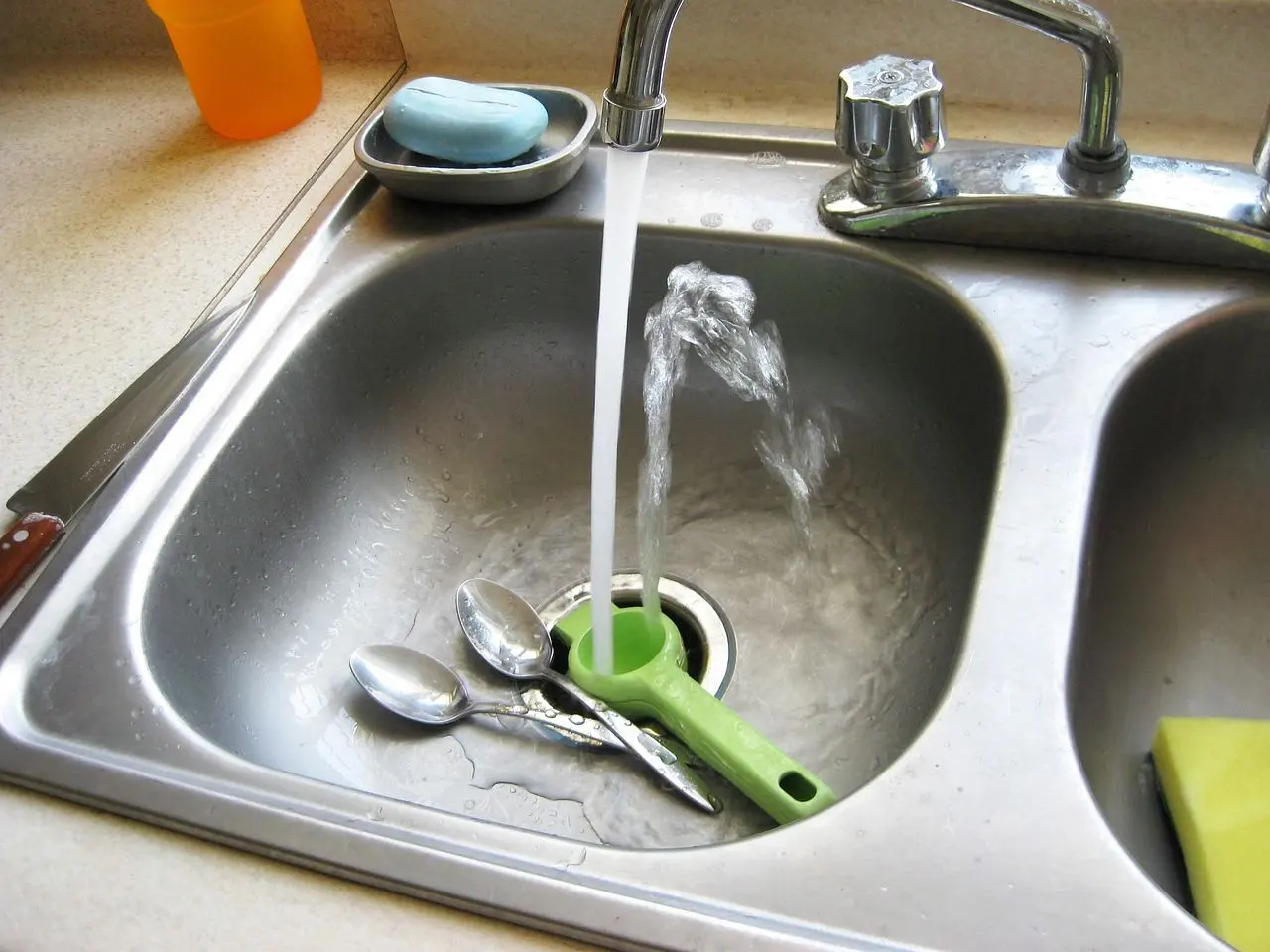
What can a household realistically save?
EPA WaterSense says households can reduce water use by 20 to 30 percent by doing a few simple things, such as upgrading to more efficient products, according to its archived indoor page. A separate archived residential page says homes with high-efficiency plumbing fixtures and appliances save about 30 percent of indoor water use.
Your own result depends on your home, your household and your starting point. A sensible order of work looks like this:
- Check for leaks in the meter, toilets, taps and irrigation.
- Swap the highest-use fixtures, such as toilets and showerheads, when they need replacing anyway.
- Adjust kitchen and laundry habits, then choose efficient appliances at replacement time.
- Tackle the garden, pool and hose habits before the hot season.
Then compare later bills with earlier ones to see what changed. Use averages as a guide, not a promise.
Frequently asked questions
Where does most indoor water go?
Show answer
Bathrooms lead, and toilets take a big share of that, according to EPA WaterSense’s archived household overview.
How often should I check for leaks?
Show answer
At least yearly for toilets, and yearly for any leak detection device you have installed, per the EPA home maintenance page. EPA also ties a yearly fixture and irrigation check to Fix a Leak Week each March, on its Start Saving page.
Do water-saving fixtures perform badly?
Show answer
Not if they carry the right label. EPA says WaterSense labeled products are tested and independently certified against its criteria for both efficiency and performance, as described on its Start Saving page.
Does saving water also save energy?
Show answer
Yes, because heating water takes energy. EPA suggests setting your washing machine to cold rather than hot or warm to lower energy bills, and says WaterSense labeled faucets and showerheads can help reduce energy bills too (EPA WaterSense).
Do I need a plumber?
Show answer
Many checks, such as the meter test and toilet dye test, you can do yourself. The EPA home maintenance page points to a professional for adjusting water pressure and suggests one for yearly water heater servicing.