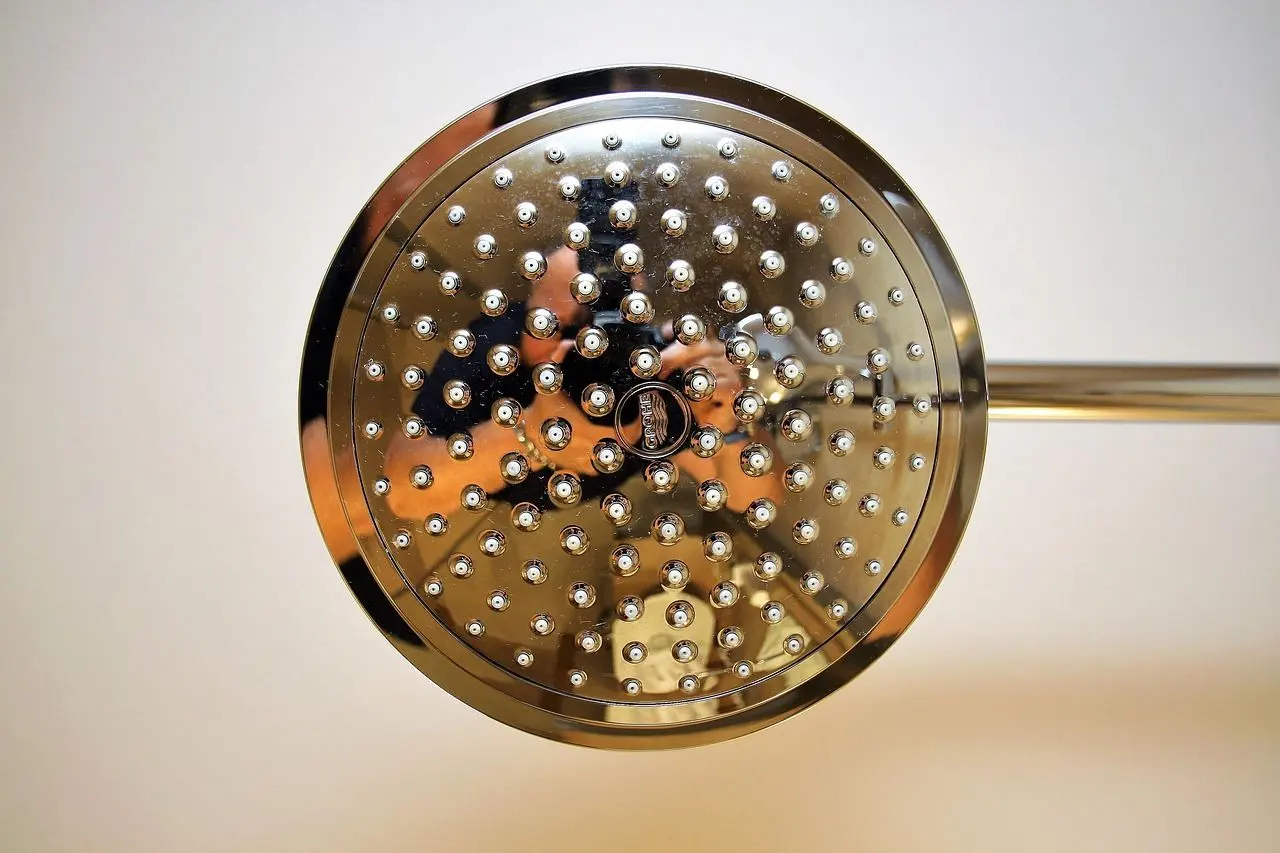
Worried a low flow showerhead means a weak, disappointing shower? Not if you pick well: look for the WaterSense label, which caps flow and tests spray force and coverage.
A showerhead is one of the simpler fixes in how to save water at home, because it changes one fitting rather than your routine.
| Item | Value |
|---|---|
| Flow of a standard showerhead | 2.5 gpm |
| Maximum flow of a WaterSense labeled showerhead | 2.0 gpm |
| Share of residential indoor water use that goes on showering | nearly 17 percent |
| Average family shower water use | nearly 40 gallons per day |
| Estimated water saving per average family with WaterSense showerheads | 2,700 gallons per year |
| Estimated electricity saving per average family | more than 330 kilowatt hours annually |
These figures come from the EPA’s WaterSense showerheads page, as of its July 2018 specification update. They can change, so check the source before you rely on them.
Why does showering matter so much at home?
Showering is one of the leading indoor uses of water, at nearly 17 percent of residential indoor use, according to the EPA’s WaterSense page. For an average family that adds up to nearly 40 gallons per day.
Across the United States, the same page puts the yearly total for showering at nearly 1.2 trillion gallons. Because the water is heated, using less of it also eases the load on your water heater and so saves energy.
What counts as a low flow showerhead?
The EPA says standard showerheads use 2.5 gallons per minute (gpm), while a showerhead that earns the WaterSense label must use no more than 2.0 gpm. That is the position as of the EPA’s July 2018 release of Version 1.1 of the specification, described on its showerheads page.
An archived EPA FAQ describes this as a 20 percent cut from the federal flow standard of 2.5 gpm set by the Energy Policy Act of 1992. Version 1.1 replaced Version 1.0, which the EPA released on March 4, 2010, according to the same page.
According to the archived FAQ, the label covers these product types:
- Fixed showerheads, which direct water onto the user.
- Hand-held showers, usually a nozzle on the end of a hose.
- Multiple-head units sold as one device, as long as the whole device meets the flow limit in every operating mode.
Body sprays are excluded, and so are retrofit devices, including aftermarket flow control devices. The FAQ explains that the label is meant for complete fixtures, not individual components, so an add-on restrictor will not carry it.
How do you tell a good model from a weak one?
The EPA notes that users generally had poor perceptions of early low-flow models when it began developing its showerhead specification. Its user testing found that spray force and spray coverage most influenced satisfaction, as the showerheads page explains.
Labeled models are independently certified against three performance requirements:
- Spray force: the spray is strong enough to satisfy users.
- Spray coverage: the stream is neither too narrow nor too wide over the bather.
- Pressure compensation: a minimum flow is kept across a range of household water pressures.
The archived FAQ sets minimum flow rates at 80, 45, and 20 pounds per square inch (psi). At 20 psi, flow cannot drop below 60 percent of the maximum, so a 2.0 gpm model will not flow at less than 1.5 gpm even in a home with very low water pressure.

Certification matters here: every WaterSense product must be independently certified to meet the EPA’s efficiency and performance criteria, per the EPA. A label on the box is therefore more informative than a “low flow” claim alone.
What could a household save?
The EPA estimates the average family could save 2,700 gallons per year by installing WaterSense labeled showerheads. It adds that the average family could also save more than 330 kilowatt hours of electricity annually, enough to power a house for 11 days (EPA).
On a national scale, the same page says that if every United States home installed labeled showerheads, the country could gain:
- More than $2.9 billion saved in water utility bills.
- More than 260 billion gallons of water saved annually.
- About $2.5 billion in avoided energy costs for heating water.
Treat all of these as estimates for an average household. The archived FAQ gave a lower older figure of more than 2,300 gallons per year, which shows how estimates move.
A short buying and fitting checklist
- Look for the WaterSense label on the showerhead itself, rather than relying on a general “water saving” claim.
- Choose a complete showerhead or hand-held shower, not a separate flow restrictor.
- Ask your water utility about discounts, since the EPA says utilities in many areas offer rebates and vouchers.
- When you swap the old unit, check the washer or “o” ring inside the showerhead and replace it if needed, as the EPA’s own tip suggests.
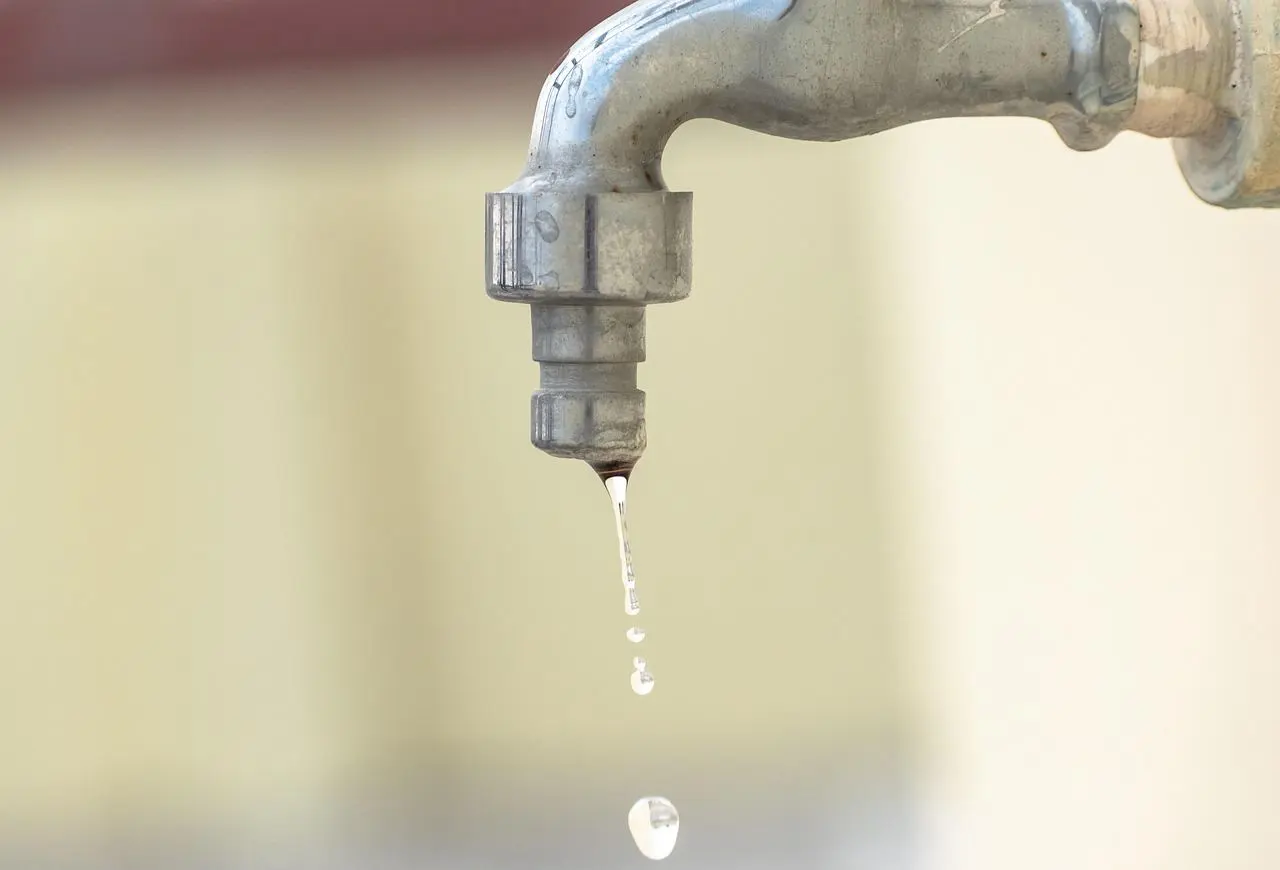
If you are already tightening fittings, read how to fix a dripping tap for a related repair. Once the bathroom is sorted, a water efficient washing machine is the next appliance worth a look.
Frequently asked questions
Will a low flow showerhead feel weaker?
Show answer
Not necessarily. Labeled models are lab-tested for spray force and coverage, and the EPA built those tests from feedback by people who tried showerheads, so poorly rated spray patterns are screened out (EPA).
Is a flow restrictor the same as a low flow showerhead?
Show answer
No. The archived EPA FAQ leaves aftermarket flow control devices outside the label, because it recognises whole fixtures rather than parts.
Do hand-held showers qualify?
Show answer
Yes, they are eligible, according to the archived FAQ. A hand-held shower combined with a fixed head must stay within the flow limit in every mode.
Can I get help paying for one?
Show answer
Possibly. The EPA says many utilities run rebates and vouchers, so contact your own supplier to see what is on offer where you live.