Pots dry out fast, and it’s easy to drown or parch them. Here’s how to water potted plants: check the soil first, then water slowly in the morning until it drains from the bottom.
Container care is one part of water wise gardening, the wider topic this guide belongs to.
| Item | Value |
|---|---|
| Drainage in each pot | At least one drainage hole |
| Water for a 10 to 12 inch container | As much as a gallon |
| Early-spring watering rhythm | Every 3 or 4 days |
| Gap between repeat waterings of a dry pot | 30 minutes to an hour |
| Bottom-watering soak | About 15 minutes |
| Top watering to flush salts | Every four or six weeks |
These figures come from the Proven Winners container watering guide and the Gardener’s Path bottom-watering guide. They can change, so check the sources before you rely on them.
Start with drainage and a soil check
Every pot needs drainage, and Proven Winners advises at least one hole in the bottom. Pots that do not have proper drainage are very easy to over-water.
Skip the saucer, because University of Saskatchewan Gardening notes that roots can rot if plants sit in water for too long. Raising pots on pot feet or bricks lets water leave the drainage hole freely.
Rather than following a set schedule, look at the surface first, as Proven Winners suggests. In a peat-based mix, dark brown to black means wet, while “paper bag” brown means dry.
A finger test works too. Gardening Know How says that when the first inch or so of soil is dry, watering is usually needed.
Waiting for visible distress is a late signal. Gardening Know How lists these signs of thirst:
- Shriveled leaves
- Limp stems
- Dropping petals
- Dry, discolored leaves
Pots in a group rarely dry at the same pace, because differences in pot and plant sizes change how quickly each one dries out, as Proven Winners points out. Check every pot on its own.
Water slowly until it drains
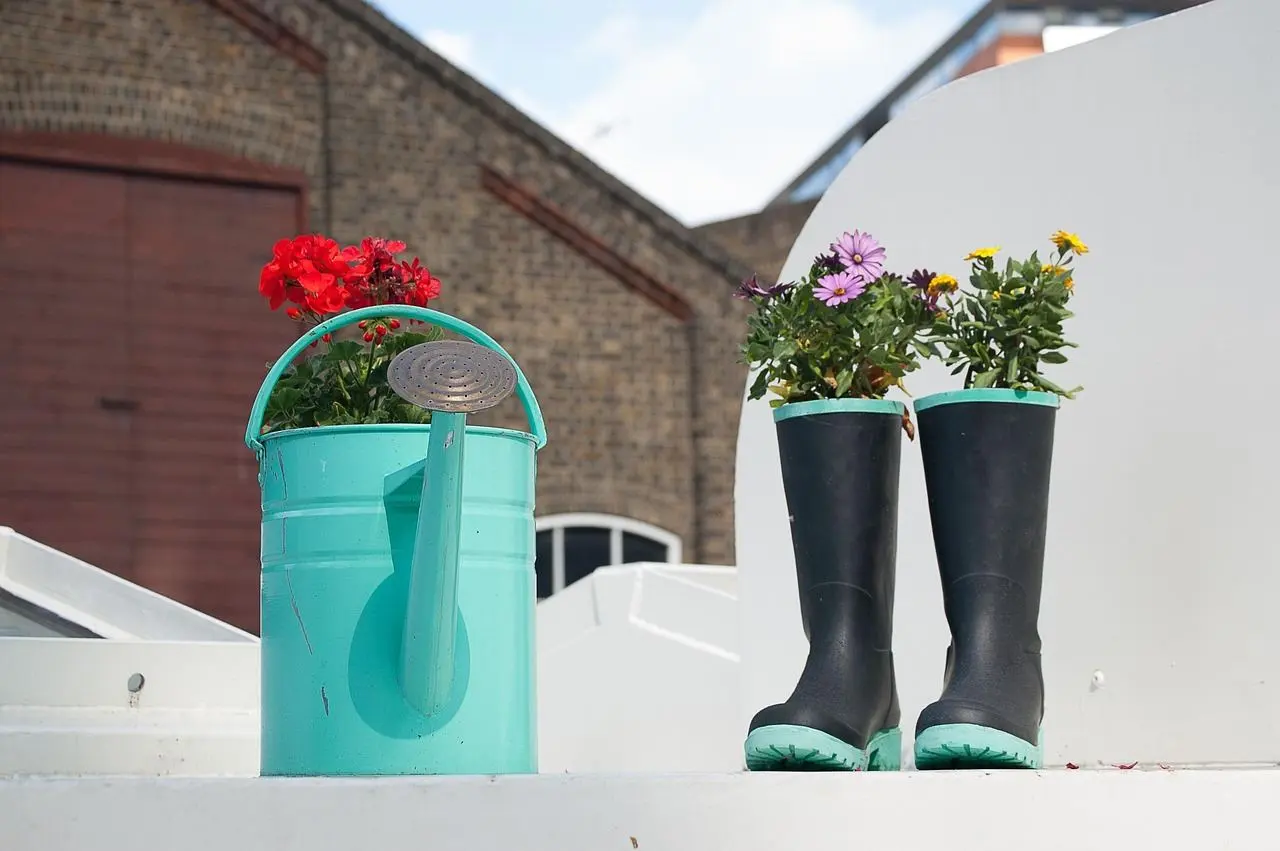
Apply water slowly and thoroughly so the whole mix is moistened and the excess runs out of the drainage hole, per University of Saskatchewan Gardening. A watering can or a hose with a rain nozzle suits the job, since a hard spray can wash soil out of pots and damage roots.
Quantity matters more than people expect. Proven Winners says it may take as much as a gallon of water to thoroughly water a 10 to 12 inch container.
Frequent small sips do the opposite of what you want. Gardening Know How explains that short, light watering just goes out the drainage holes before the plant can take it up.
Livingetc reports that a deep watering penetrates to about eight inches, and that watering until water drains from the bottom of the pot is the way to get there, as set out on its container watering advice page.
Does the time of day matter?
Yes, and morning comes out on top. University of Saskatchewan Gardening names it the best time of day, and Livingetc reports that its experts agree early morning is ideal, before the heat of the day kicks in.
The slots to avoid are easy to remember:
- Midday heat: a horticulturist quoted by Livingetc calls afternoon watering a no-go, because water can evaporate before it reaches the roots.
- Late evening: Proven Winners warns that wet foliage at night makes a great breeding ground for disease.
Match watering to the pot, weather and plant
How often you water depends on several things working together:
- Pot size: University of Saskatchewan Gardening says small containers need water more often than large ones, and larger pots hold more soil and therefore more water.
- Pot material: plastic and glazed ceramic tend to hold moisture longer than porous clay or terracotta, which dry out much more quickly.
- Wind and heat: Proven Winners notes that wind dries pots out more quickly, especially hanging baskets.
- Season: in early spring you may only need to water every 3 or 4 days, according to the same guide, with daily watering likely as plants grow and temperatures climb.
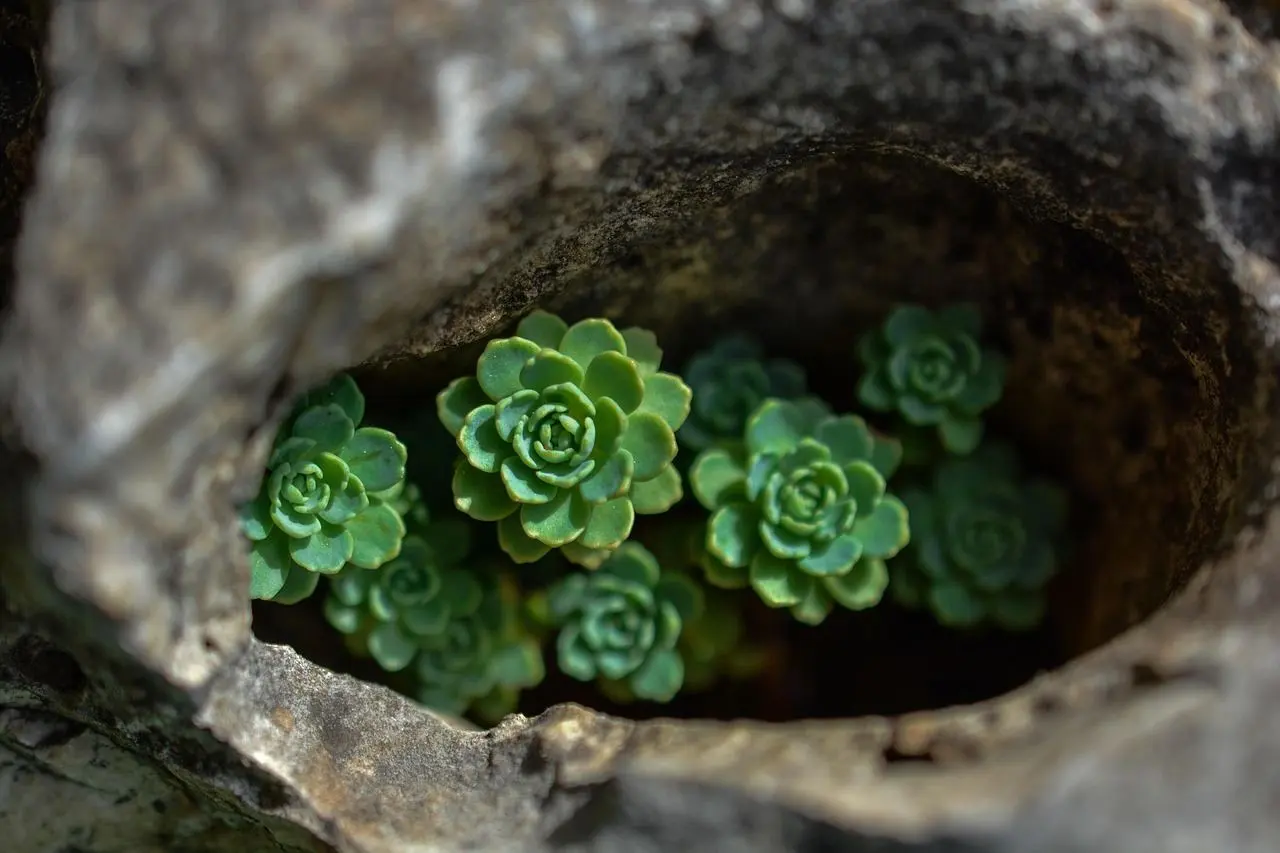
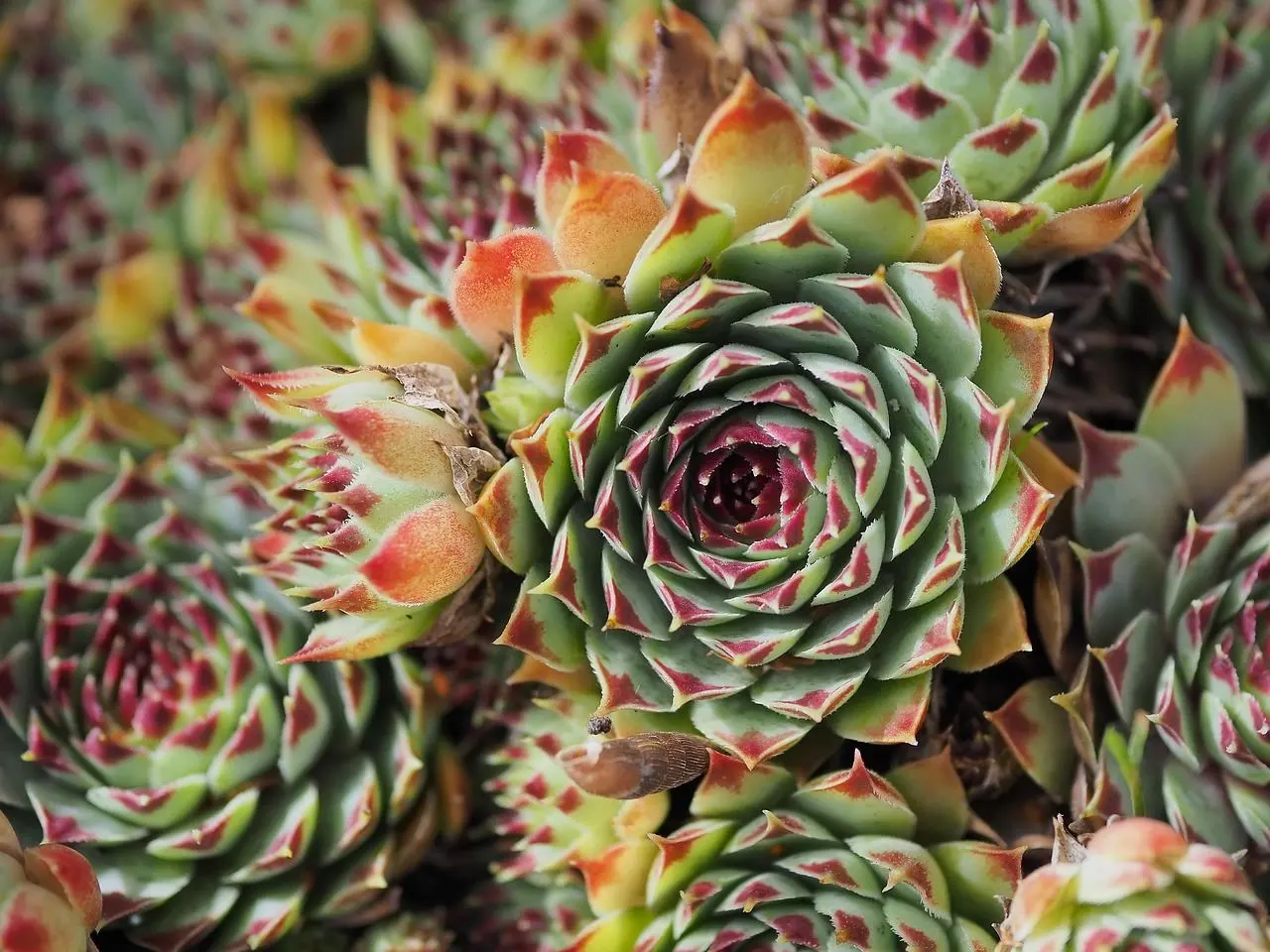
Plant type changes the rules too. University of Saskatchewan Gardening says succulents need the soil to dry out between waterings, while tomatoes, peppers and cucumbers need to stay evenly moist to prevent disorders like blossom end rot.
Choosing drought tolerant plants for your pots can cut the workload, since Gardening Know How says succulents and drought tolerant plants need less frequent watering than annuals and vegetables. The same low-water thinking behind xeriscaping also suits a balcony or patio full of containers.
Rescue a dried-out pot and try bottom watering
When potting mix gets too dry, it can turn against you. Proven Winners says commercial mixes can become almost water repellent, so water may run down the sides of the pot instead of soaking in.
One fix is to soak the pot in a tub of water until the soil has expanded and no longer pulls away from the edge. If that is impractical, water liberally, wait 30 minutes to an hour, and repeat; by the third watering the mix should take up water normally again.
How to bottom water
Bottom watering lets the soil draw moisture up through the drainage holes. It suits pots that you can lift and carry, and it cannot work with cachepots that offer no drainage.
- Confirm the plant needs water and that the pot has drainage holes, as Gardener’s Path advises.
- Fill a tub, sink or bucket with enough water to cover the base of the pot by at least an inch.
- Set the pot in the water for about 15 minutes, longer for larger containers, and add more water if the soil soaks it all up.
- Lift the pot out and let the excess drain away before returning it to its spot.
The same guide cautions that minerals can build up with this method, so water from the top every four or six weeks to flush out salts. It also calls it fairly wasteful to fill an entire tub for a single small plant, so batch several pots together.
Frequently asked questions
How often should I water potted plants?
Show answer
Let the soil decide rather than the calendar. Gardening Know How says that in summer most outdoor pots need water daily, and even twice a day, once temperatures climb over 85 degrees F.
Should I put gravel in the bottom of a pot?
Show answer
No. University of Saskatchewan Gardening says gravel in the bottom of the pot actually impedes drainage, so a drainage hole and a suitable mix do the real work.
Does mulch help container plants?
Show answer
It can. A layer of mulch on top of the soil prevents water loss through evaporation, according to University of Saskatchewan Gardening.
What if a plant wilts in the evening?
Show answer
Water it anyway. Proven Winners says a wilted plant’s need for water outweighs the chance of catching a disease.