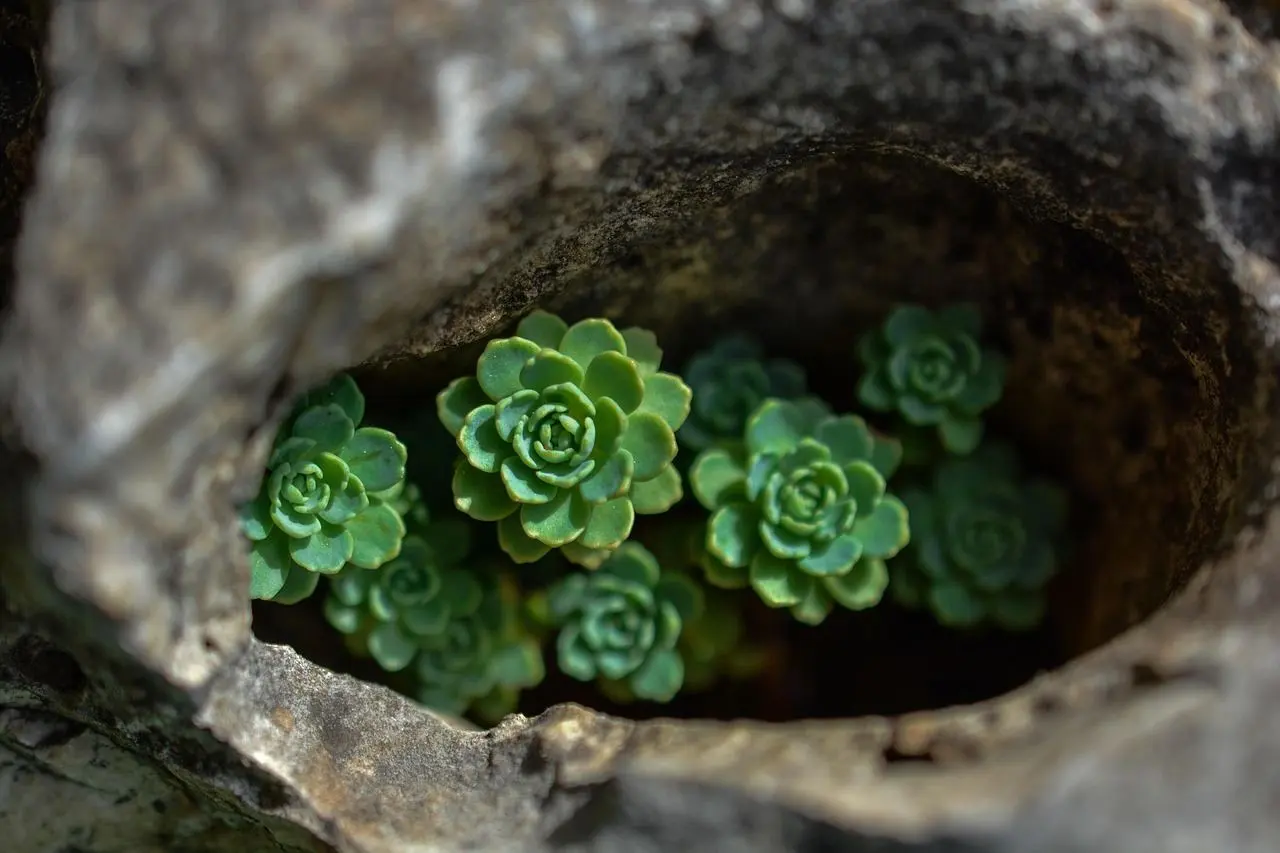
Worried your garden won’t survive a dry summer? Drought tolerant plants can cope with limited water once their roots settle in. Pick species with thick, waxy or fine leaves, and water them well while they establish.
This page is one part of the wider topic of water wise gardening.
| Item | Value |
|---|---|
| Typical time for landscape plants to establish | 1 or 2 years |
| Outdoor share of home water use in summer | 80% is not uncommon |
| Average US family water use | About 320 gallons per day |
| Share of that water used outdoors | About 30% |
| Typical water use of a water-wise landscape versus a grassy one | 60% less |
The figures come from Washington State University Extension’s drought-tolerant landscaping guide and Utah State University Extension’s water-wise gardening article. They can change, so check the sources before you rely on them.
Why drought tolerant plants matter at home
The average family in the U.S. uses about 320 gallons of water per day, and about 30% of it goes to outdoor purposes such as landscape irrigation, according to Utah State University Extension.
Summer makes the share bigger. Washington State University Extension notes that it is not uncommon to find that 80% of the water used around a home is used outside during the summer months.
A wet climate does not guarantee a wet summer. The Puget Sound area receives 40 inches of rain each year, yet WSU Extension says there may be less than 1 inch of rain per month in summer.
The payoff for planning ahead is clear: according to USU Extension, water-wise landscaping typically uses 60% less water than traditional designs with large, grassy yard areas.
What makes a plant drought tolerant?
WSU Extension explains that horticulturists define drought-tolerant plants as those that can withstand a moderate period of limited moisture. The UConn Home and Garden Education Center adds a useful reminder: such plants still need water to survive, but they can tolerate periods with little of it.
Several leaf and stem traits help a plant hold on to its water:
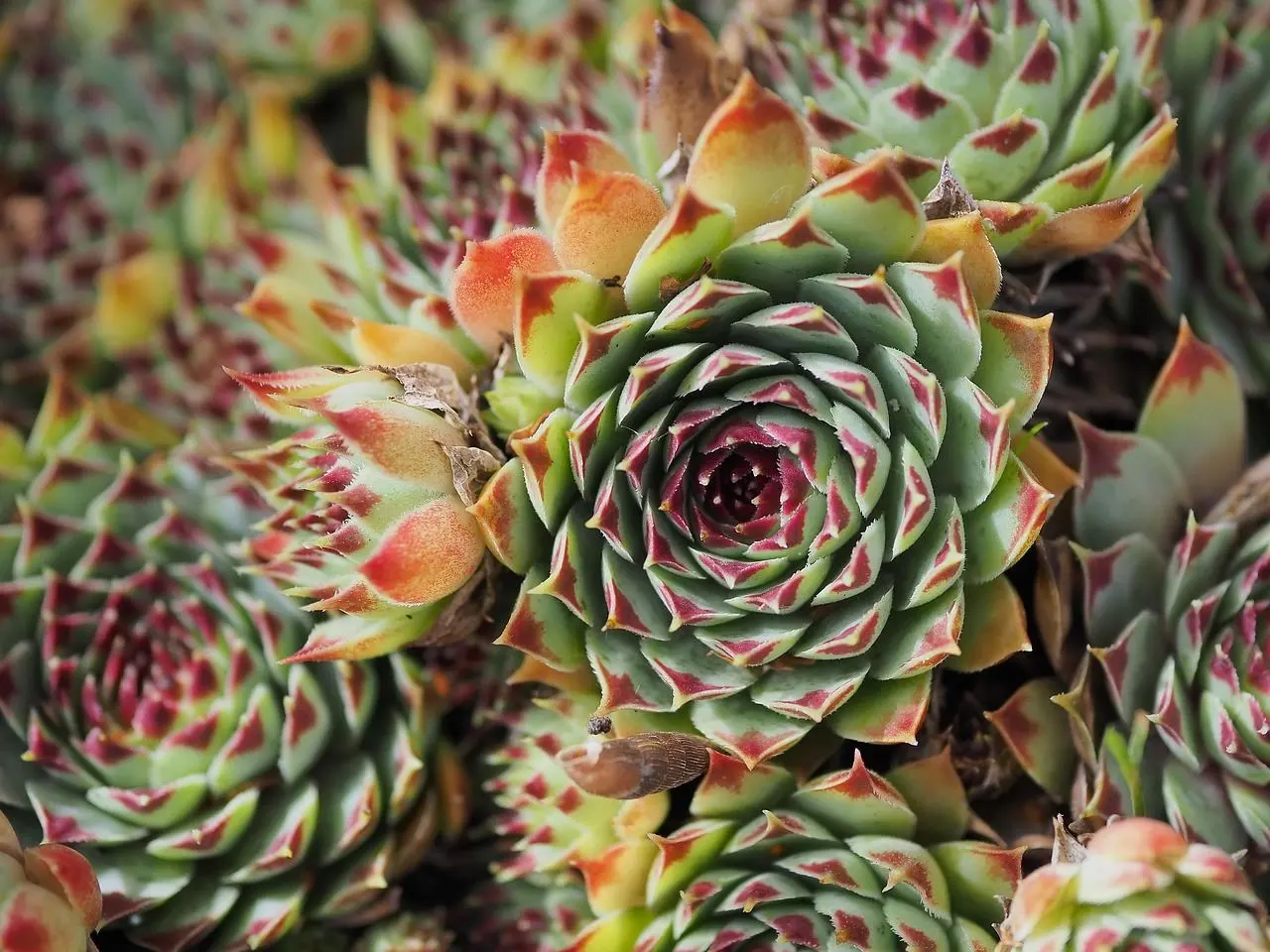
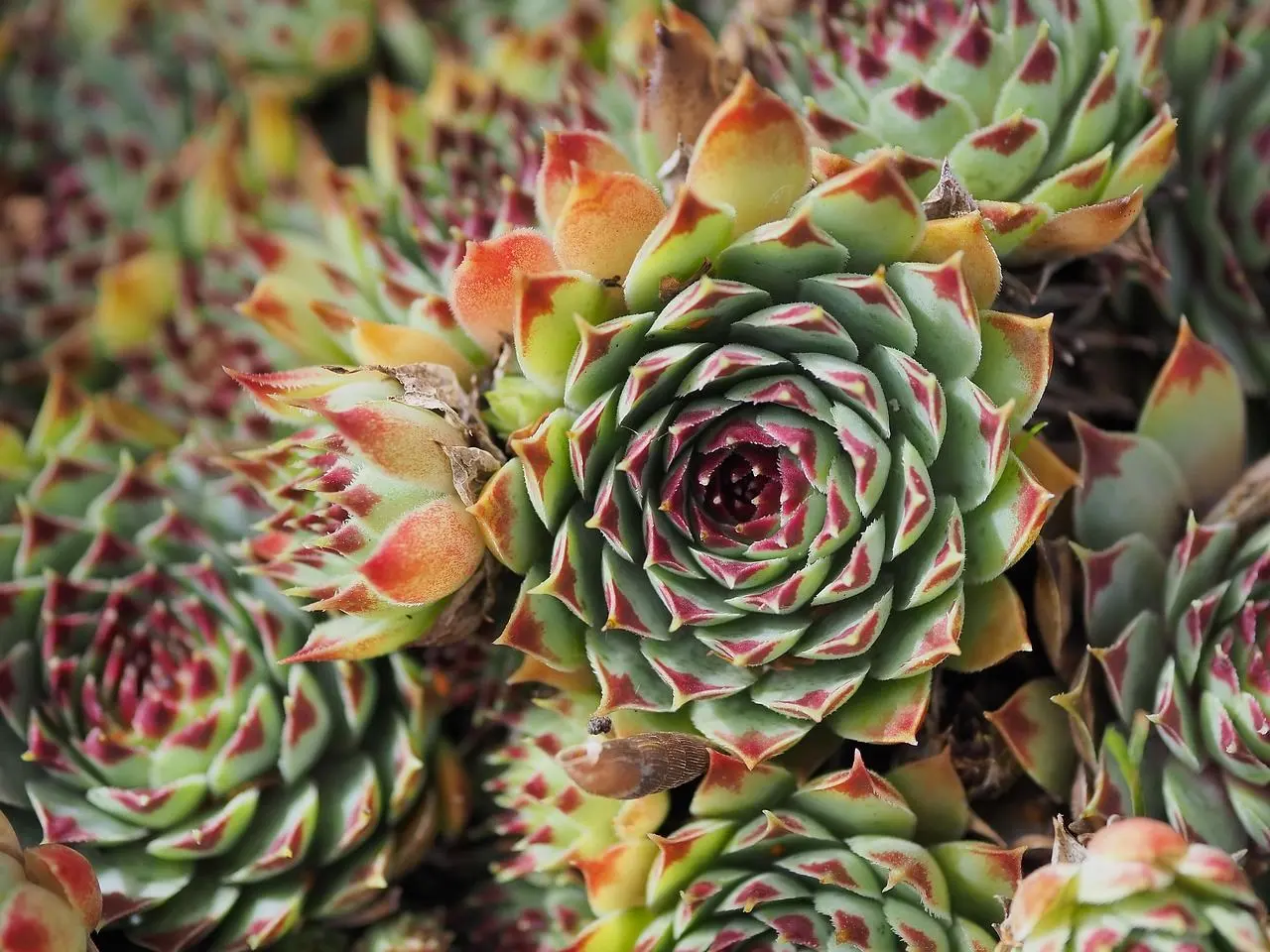
- Thick, waxy or hairy leaves that minimize water loss.
- Small, fine or deeply divided foliage.
- In conifers, small leaves with waxy cuticles that limit water lost through transpiration.
- In woody plants, the ability to store water in both roots and trunks.
Soft-stemmed plants are less predictable. WSU Extension points out that herbaceous perennials vary tremendously in their ability to withstand drought because they lack the reserve capacity of woody plants.
Drought tolerant plants to try
The UConn Home and Garden Education Center lists many drought tolerant annuals and perennials for home gardens. Among the perennials it names are:
- Coneflower (Echinacea)
- Blanket flower (Gaillardia)
- Russian sage (Perovskia)
- Black-eyed Susan (Rudbeckia)
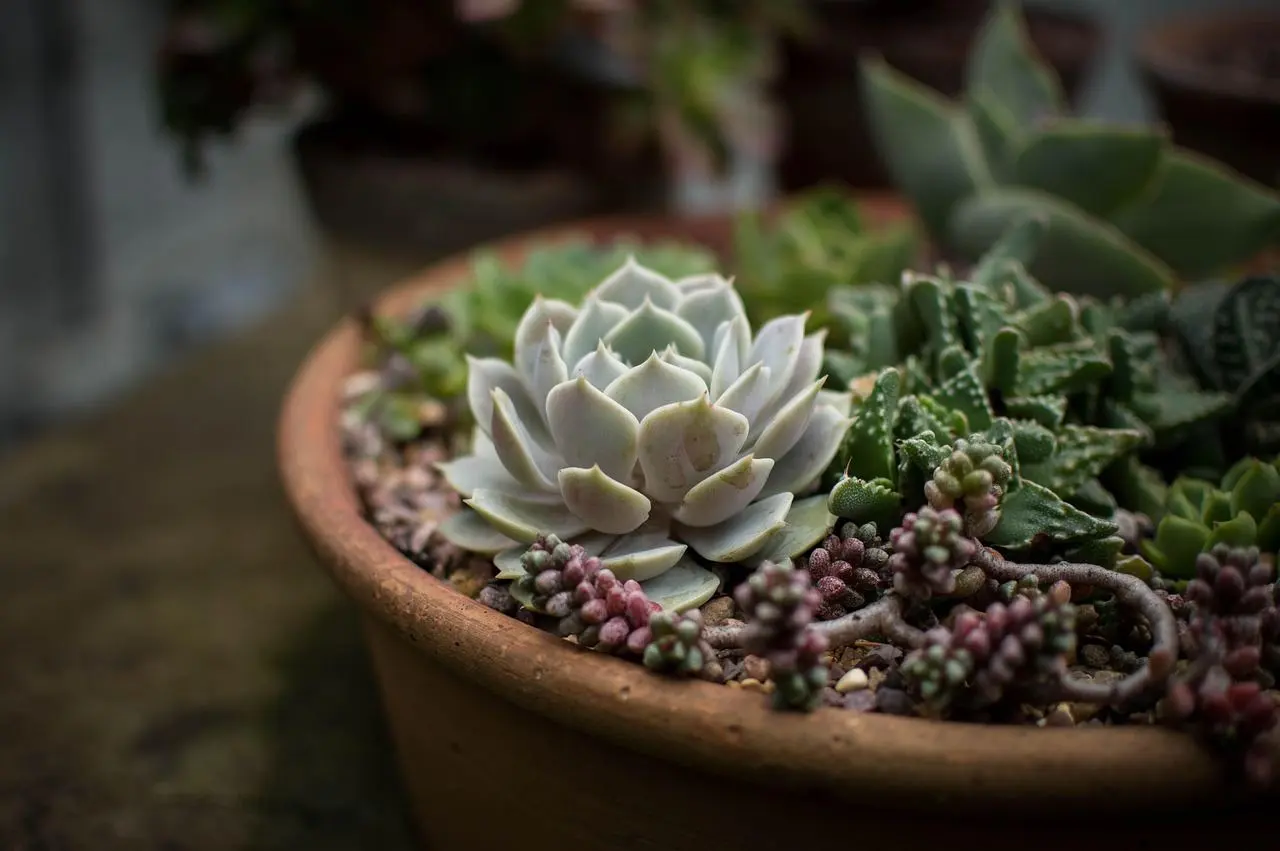
- Sedum
- Hens and chicks (Sempervivum)
- Lamb’s ears (Stachys)
The same UConn list includes annuals such as cosmos, California poppy and moss rose (Portulaca), which suit gaps in a bed while perennials fill in.
For trees and shrubs, WSU Extension gives Gilt Edge serviceberry, Oregon grape and Delavay osmanthus as examples of species with thick, waxy or hairy leaves. It also describes red maple as a very popular, very drought-tolerant shade tree for Washington State.
For hot and dry regions, USU Extension gives blanketflower, bluebeard (Caryopteris) and butterfly weed (Asclepias) as examples. Any regional list is a starting point, because the WSU guide, for instance, was written for landscapes throughout Washington State.
Planting and watering while roots establish
WSU Extension warns that unless landscape plants are fully established, which commonly takes 1 or 2 years, they can suffer from summer drought on hot days. UConn also states that all plants require a fair amount of water to become established.
The University of Illinois Extension planting advice for dry-area plants boils down to a few steps:
- Dig a hole as deep and a little wider than the pot the plant came in.
- Set the plant so its soil level matches the ground around it.
- Backfill with soil, then mulch, leaving some bare soil around the stem.
- Water the new plant regularly if it does not rain.
The same source suggests watering new plants every other day for two weeks if it doesn’t rain. After two weeks, it says, extra watering may be necessary if the weather is hot and dry.
UConn notes that soaker hoses or trickle irrigation systems water plants more efficiently. If you also grow tough plants in pots, the guide on how to water potted plants covers container care.
Soil, mulch and lawn choices
Preparation helps every plant on the list. UConn recommends working compost or other organic matter into the soil before planting to increase its ability to retain moisture, and it says organic mulches such as grass clippings, buckwheat hulls or composted leaves help reduce evaporation from the soil surface (UConn Home and Garden Education Center).
For depth, Illinois Extension says to add 2 to 3 inches of natural shredded mulch. Our notes on mulching to save water go further into materials and method.
Grouping matters too. USU Extension advises you to group plants by water requirements so watering is more efficient. It suggests putting thirstier plants in low-lying or poorly drained spots and drought-tolerant plants on higher ground with better drainage.
Lawns are the other big lever. USU Extension says traditional grassy lawns typically need more frequent maintenance and more supplemental watering than any other landscape feature. WSU Extension shows one alternative: a dense mat of Blue Rug juniper stays green all summer without any irrigation.
Illinois Extension also suggests garden beds of perennial plants native to your region in place of some lawn. Whatever you plan, check local municipal or homeowner’s association ordinances first.
Frequently asked questions
Do drought tolerant plants ever need watering?
Show answer
Yes, mostly in their early life. Illinois Extension says a new native may not bloom in its first two years while it puts down deep roots, and that you should expect to pull weeds and keep the mulch topped up during that time.
Is a xeriscape the same as a water-wise garden?
Show answer
Not quite. Oregon State Extension describes a xeriscape as a “dry scene” that uses very little water, while a water-wise garden can be any style designed to conserve water.
Should I choose native plants?
Show answer
They are a sound option. USU Extension says native plants are adapted to the local environment, which makes them more resilient and better suited to natural rainfall patterns.
Will a lawn die if I stop irrigating it?
Show answer
Not necessarily. WSU Extension classes perennial ryegrass as a drought avoider: it goes dormant and browns when not irrigated, then returns almost entirely in the fall when the rains return.
Where can I find plant lists for my area?
Show answer
Ask your state Extension office or state university for recommended drought-tolerant plants, as USU Extension advises. Local Extension staff know the soils and climate near you.